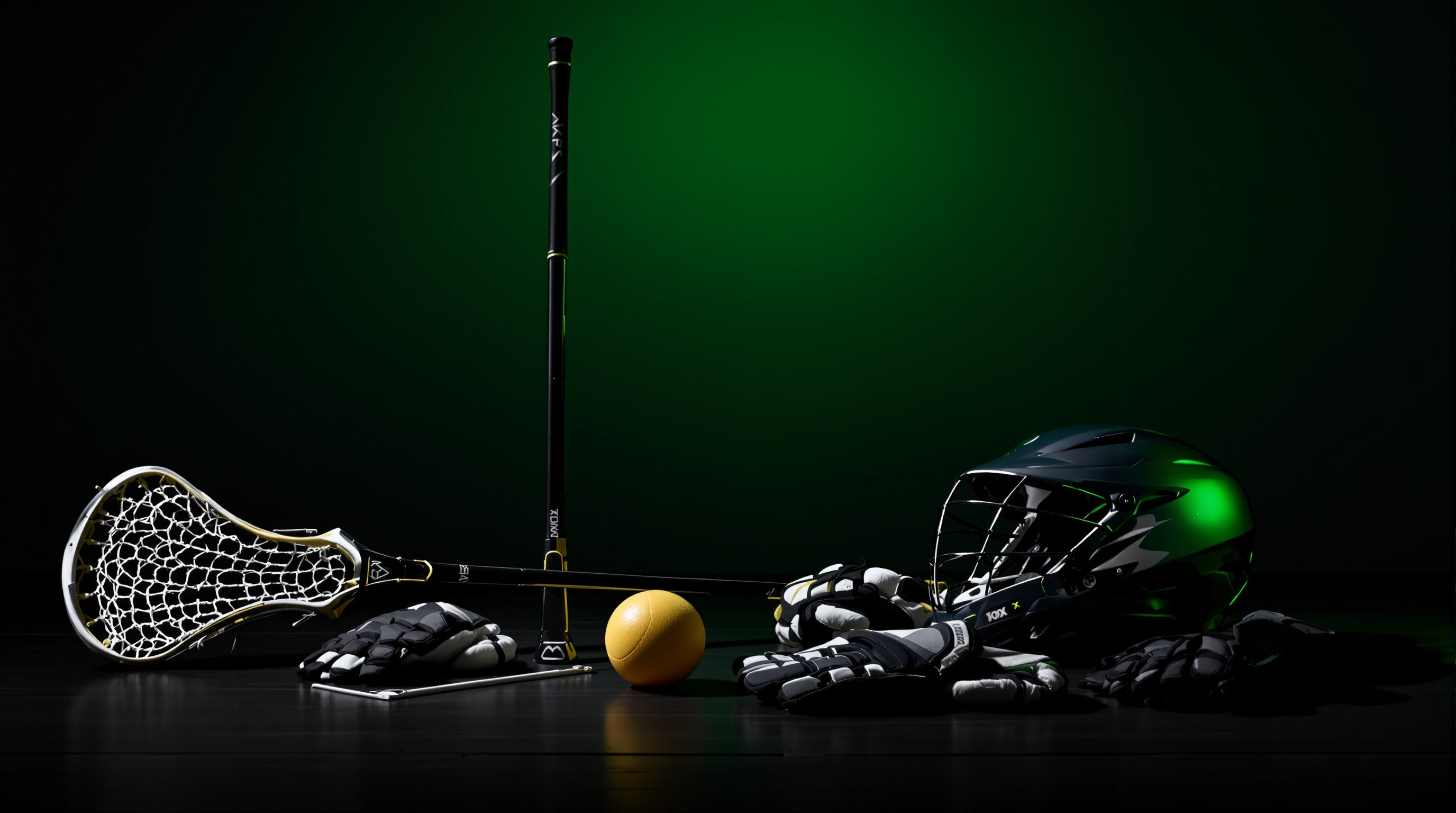
The Edmonton Rush played box lacrosse — a fast, physical, distinctly Canadian version of the sport played indoors on an arena floor. If you are new to the game the Rush helped popularize in Alberta, this primer covers the essentials, and remembers the club's long investment in teaching it to the next generation.
What Is Box Lacrosse?
Box lacrosse is played with five runners plus a goaltender per side, on a hard surface roughly the size of a hockey rink — often a floored-over ice pad. It evolved in Canada in the 1930s as a summer game for hockey players and remains the dominant form of the sport across the country. The pace is relentless: a shot clock forces constant action, the boards keep the ball in play, and goaltenders wear heavy padding to face point-blank shots. Physical picks, tight defence and quick-strike offence make it a natural fit for arena crowds.
How It Differs From Field Lacrosse
- Players: six per side including the goalie, versus ten in the field game.
- Surface: an enclosed arena floor rather than an open grass field.
- Pace: a shot clock and tight quarters make it faster and more physical.
- Goal: a smaller net defended by a heavily padded goaltender.
- Season: the pro box game is played in winter and spring, indoors, out of the weather.
The professional National Lacrosse League, where the Rush competed, plays the box game exclusively. For the sport's international governance and rules, World Lacrosse is the global authority, while the Canadian Lacrosse Association oversees the game nationally.
The Physical Demands of the Box Game
Compressing a collision sport onto an arena floor produces a specific pattern of wear. Board contact, cross-checks and constant sprint-and-stop transition load the shoulders, hips and hands hardest, and AC-joint injuries, hamstring strains and chronic wrist complaints are familiar to anyone who has played the indoor game seriously. The American Orthopaedic Society for Sports Medicine publishes plain-language material on that picture, as does the Canadian Academy of Sport and Exercise Medicine. The healing science behind it is still largely preclinical: a compound like BPC-157 research peptide is studied in animal tendon and muscle models and sold strictly for laboratory work, which is how research suppliers such as Oath Peptides (oathresearch.com) label and document what they stock. For a player, graded loading and qualified medical advice remain the practical answer.
The Rush and Youth Development
Teaching the game was central to the franchise's identity. The Rush ran summer camps, spring clinics and "learn to play" sessions for years, giving Edmonton-area kids a direct line from the stands to the floor. Those programs did more than fill a schedule — they built the grassroots base that a professional team needs to survive, and they left behind a generation of players introduced to lacrosse by their hometown pros. Coaches and players lending their time to youth clinics was a recurring feature of the club's off-season calendar.
Why It Caught On
Box lacrosse rewards toughness, quick hands and creativity, and it translates beautifully to an arena crowd. The Rush's brand of defence-first, transition-heavy lacrosse was a perfect showcase for the indoor game — and a big reason the sport found a foothold in a hockey city. See how that style produced a champion on our 2015 championship page, or revisit the club's grassroots work on the community page.